Планирование
чистая комната
Проект может показаться непосильной задачей. От проектирования до установки на него влияет множество факторов, от начала и до конца.
стоимость чистой комнаты
Понимание этих факторов может сэкономить и время, и деньги. Независимо от того, рассматриваете ли вы традиционное здание или модульное решение, понимание ключевых факторов, влияющих на стоимость, имеет решающее значение для принятия обоснованных решений.
Какие факторы влияют на стоимость чистых помещений?
Класс чистоты (уровень ISO)
Первый важный фактор при определении
стоимость чистой комнаты
Это требуемый уровень чистоты. Более высокие классы ISO (например, ISO 1–5) требуют более точной фильтрации воздуха, более строгих требований к материалам и передовых систем контроля окружающей среды, что увеличивает инвестиции. И наоборот, чистые помещения более низкого класса, такие как ISO 7–9, проще и дешевле в строительстве и подходят для базового производства или хранения.
Размер и сложность пространства
Чем больше и сложнее помещение, тем выше стоимость. Многозонная планировка, специализированные зоны или многоэтажные конструкции требуют больше времени на строительство, современных систем отопления, вентиляции и кондиционирования воздуха, а также дополнительного оборудования. Даже в рамках одного класса ISO помещение площадью 500 м² будет стоить значительно дороже, чем помещение площадью 100 м².
Тип строительства: модульное или традиционное
-
Модульная чистая комната
Эти сборные системы обеспечивают гибкость и более быстрое развертывание. Хотя первоначальные затраты могут быть выше, модульные решения идеально подходят для проектов, которые могут расширяться или перемещаться в будущем.
-
Традиционное строительство
Чистые помещения, изготовленные по индивидуальному заказу, могут отвечать самым специфическим требованиям и использоваться в крупномасштабных проектах, но требуют более длительного времени строительства и больших бюджетов.
Выбор материалов
Выбор материалов также влияет на
стоимость чистой комнаты
Примеры включают:
-
Стены
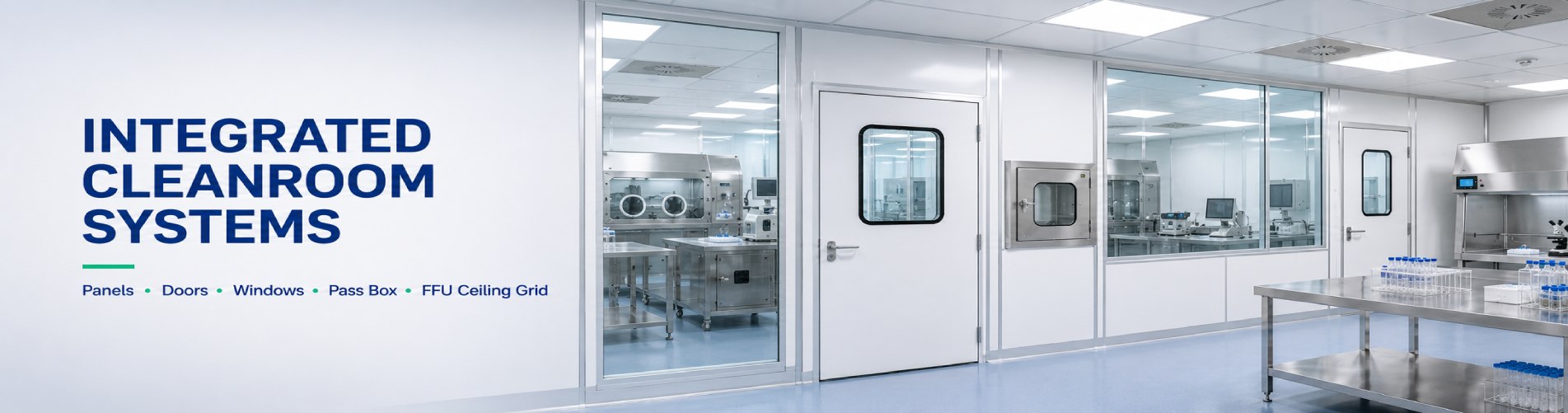
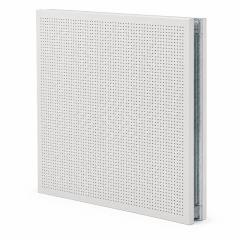
Мягкие перегородки (более низкая стоимость) против жестких панелей (более высокая стоимость при высокой чистоте)
-
Напольное покрытие
Эпоксидная смола, ПВХ, нержавеющая сталь — каждый материал имеет свою стоимость и требования к обслуживанию.
-
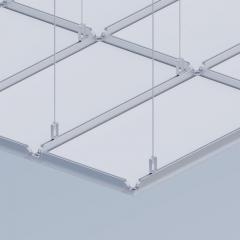
Потолочное и световое оборудование
Должен быть пыленепроницаемым, легко чиститься и иметь надежную герметизацию для обеспечения циркуляции воздуха.
Оборудование и специальные функции
Необходимое оборудование для чистых помещений вносит существенный вклад в бюджет:
-
Системы отопления, вентиляции и кондиционирования воздуха с HEPA или ULPA фильтрацией.
-
Сквозные камеры, воздушные души и шлюзы
-
Чистые рабочие столы, ламинарные установки и специализированная мебель.
Соответствие требованиям и сертификация
Соответствие отраслевым стандартам, таким как ISO 14644, GMP или требованиям FDA, часто влечет за собой дополнительные затраты на документацию, валидацию и инспекцию. Отсутствие планирования этих мероприятий может привести к непредвиденным расходам в будущем.
Сколько обычно стоит чистая комната?
Хотя фактическая стоимость варьируется в зависимости от специфики проекта, вот примерный ориентир.
стоимость чистой комнаты
за квадратный фут:
|
Класс ISO
|
Ориентировочная стоимость (долл. США/кв. фут)
|
Типичные области применения
|
|
ISO 7–9 (Основы)
|
100–300 долларов
|
Хранение, базовое производство
|
|
ISO 5–6 (промежуточный)
|
300–600 долларов
|
Фармацевтические, биотехнологические лаборатории
|
|
ISO 1–4 (высокий)
|
600–1000 долларов и более
|
Полупроводники, электроника, стерильные составы
|
Для компаний, изучающих
установка в чистом помещении
Знание этих оценок помогает в составлении бюджета и планировании. Если вы рассматриваете возможность покупки готового решения, поищите информацию о...
Продается чистая комната
или сравнивая
цена модульной чистой комнаты
и
стоимость модульной чистой комнаты
может дать вам реалистичную финансовую картину.
Долгосрочные операционные расходы
Строительство чистой комнаты — это лишь часть общих инвестиций. Эксплуатация и техническое обслуживание объекта также входят в число текущих расходов:
-
Потребление энергии
Непрерывная работа систем отопления, вентиляции и кондиционирования воздуха является значительной статьей расходов на электроэнергию.
-
Замена фильтра
Фильтры HEPA/ULPA необходимо периодически заменять.
-
Уборка и дезинфекция
Требуются специализированные продукты и процедуры.
-
Обучение персонала и соблюдение нормативных требований
Персонал должен быть обучен соблюдению надлежащих протоколов.
-
Профилактическое техническое обслуживание
Регулярные проверки снижают риск поломки оборудования и дорогостоящих простоев.
Советы по оптимизации затрат на чистые помещения
Оптимизация проектирования
-
Эффективное планирование воздушных потоков и зонирования1223
-
Выбирайте материалы и оборудование, обеспечивая баланс между стоимостью и производительностью.
-
Для обеспечения масштабируемости в будущем следует рассмотреть модульную конструкцию.
Управление энергопотреблением
-
Используйте частотно-регулируемые приводы (ЧРП) для систем отопления, вентиляции и кондиционирования воздуха123
-
Внедрить энергоэффективное светодиодное освещение и датчики движения.
-
Изучите возможности использования систем рекуперации тепла, где это применимо.
Стратегия технического обслуживания
-
Разработайте графики профилактического технического обслуживания123
-
Передайте на аутсорсинг неосновные услуги, такие как специализированная уборка или периодическое тестирование.
Сочетая продуманные проектные решения, управление энергопотреблением и стратегии текущего обслуживания, вы можете значительно снизить затраты.
стоимость чистой комнаты
без ущерба для качества.
Заключение
Понимание
стоимость чистой комнаты
Это выходит за рамки простого строительства — это включает в себя выбор дизайна, материалов, оборудования, эксплуатационных расходов и долгосрочного обслуживания. Тщательно планируя, оптимизируя ресурсы и рассматривая модульные решения, предприятия могут создать экономически эффективные, высокопроизводительные чистые помещения, адаптированные к их потребностям. Независимо от того, изучаете ли вы...
установка в чистом помещении
, глядя на
Продается чистая комната
или сравнивая
цена модульной чистой комнаты
и
стоимость модульной чистой комнаты
Тщательное планирование гарантирует, что вы получите максимальную отдачу от своих инвестиций в эти высокоспециализированные объекты.
Часто задаваемые вопросы:
В: Какие скрытые затраты часто упускаются из виду в проектах по созданию чистых помещений?
К скрытым затратам могут относиться сборы за соответствие нормативным требованиям и сертификацию, долгосрочное энергопотребление, замена фильтров и обучение персонала. Во многих проектах также забывают заложить в бюджет будущие расширения или модернизации. Оценка затрат на протяжении всего жизненного цикла помогает избежать непредвиденных расходов.
В: Что более экономически выгодно: модульные или традиционные чистые помещения?
Модульные чистые помещения требуют больших первоначальных инвестиций, но обеспечивают более быструю установку, гибкие возможности расширения и более простую модернизацию. Традиционные чистые помещения могут быть экономически выгодными для крупных, высокотехнологичных объектов. Наилучший выбор зависит от сроков, масштаба и будущих потребностей.
В: Как выбрать правильный класс ISO?
Выбор правильного класса ISO зависит от требований к вашей продукции, отраслевых норм и целей контроля загрязнений. Перед принятием решения оцените поток воздуха, уровень частиц и чувствительность процесса. Консультации с экспертами помогут избежать избыточного проектирования и ненужных затрат.
В: Как я могу снизить затраты на электроэнергию?
Затраты на электроэнергию можно снизить, используя вентиляторы с частотно-регулируемым приводом, оптимизируя скорость воздухообмена и выбирая энергоэффективное освещение. Регулярное техническое обслуживание систем отопления, вентиляции и кондиционирования обеспечивает стабильную работу. Внедрение систем рекуперации тепла может еще больше повысить долгосрочную экономию энергии.
В: Сколько стоит чистая комната?
Стоимость чистой комнаты варьируется в зависимости от ее класса, размера, используемых материалов и требований к системам отопления, вентиляции и кондиционирования воздуха. В целом, цены колеблются от нескольких сотен до нескольких тысяч долларов за квадратный метр. Чистые комнаты более высокого класса требуют более совершенной системы фильтрации и, следовательно, стоят дороже.
В: Какова стоимость чистой комнаты класса 10 000?
Стоимость чистой комнаты класса 10 000 обычно составляет от 500 до 1200 долларов за квадратный метр в зависимости от конструкции, планировки и стандартов контроля микроклимата. Комплексные решения «под ключ» с полными системами отопления, вентиляции и кондиционирования воздуха, а также системами мониторинга могут стоить дороже.
В: Что такое чистая комната на 100 000 чистых помещений?
Чистая комната класса 100 000 (ISO 8) — это контролируемая среда, в которой концентрация частиц в воздухе ограничена 100 000 на кубический фут. Она широко используется в таких отраслях, как электроника, сборка, упаковка и общее производство, где требуется умеренный контроль загрязнения.
В: Какова стоимость чистой комнаты класса 100?
Чистое помещение класса 100 предъявляет гораздо более строгие требования и обычно стоит от 1500 до 3000 долларов за квадратный метр. Цена обусловлена высокоэффективной HEPA/ULPA-фильтрацией, строгим контролем микроклимата и использованием специализированных строительных материалов для чистых помещений.






 онлайн -сервис

